
Introduction
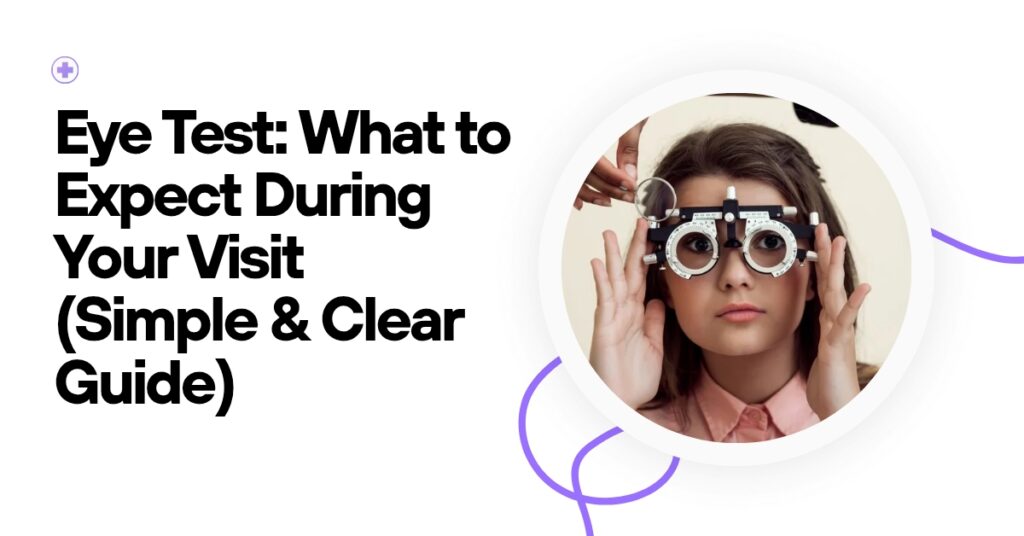
An eye test is often misunderstood, and many people feel unsure about what actually happens during one. This confusion leads to unnecessary delay, even when clear signs indicate that an eye test is needed.
In reality, an eye test is a simple, comfortable, and important process that helps you understand your vision clearly. Whether you are experiencing blurred vision, headaches, or eye strain, getting an eye test at the right time can make a significant difference in your daily life.
Understanding the eye test process step by step will remove hesitation and help you feel confident before visiting.
Why Understanding the Eye Test Process Matters
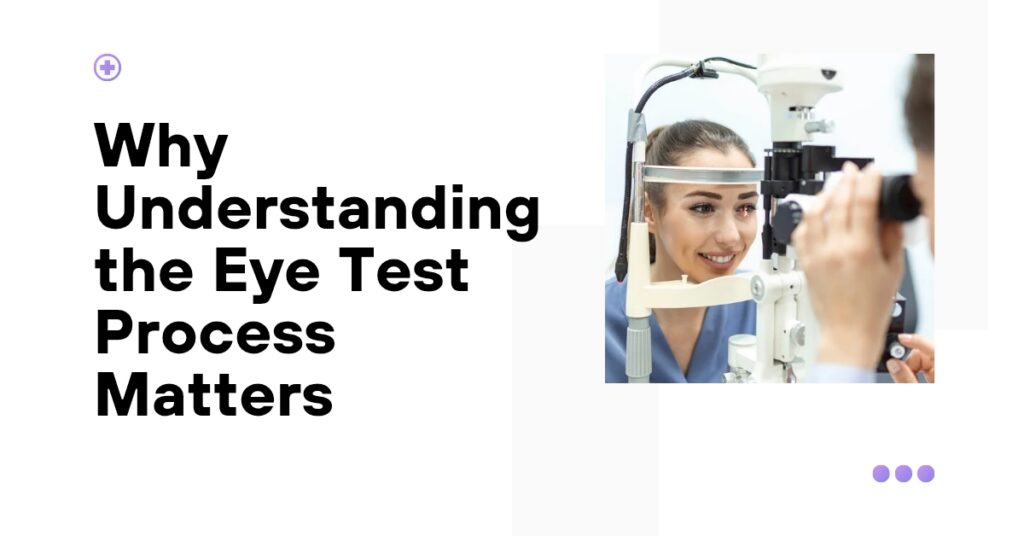
Many people avoid an eye test because they assume it is complicated or uncomfortable. This is not true.
Knowing what happens during an eye test helps you:
- Feel more confident before visiting
- Understand your vision better
- Trust the results and recommendations
- Take timely action
When you understand the process, an eye test becomes a routine check rather than something to delay.
What Is an Eye Test?
An eye test is a professional examination of your vision to determine how well your eyes are focusing and whether you need corrective lenses.
It helps identify:
- Refractive errors like myopia or hyperopia
- Changes in your existing prescription
- Causes of eye strain or discomfort
A proper eye test ensures that your vision is clear, comfortable, and suited to your daily needs.
Step-by-Step Eye Test Process Explained
Initial Discussion Before the Eye Test
Every eye test usually begins with a simple conversation.
You may be asked:
- Are you experiencing blurred vision?
- Do you have headaches or eye strain?
- How many hours do you use screens?
This helps understand your symptoms and lifestyle before starting the eye test.
Vision Clarity Check During the Eye Test
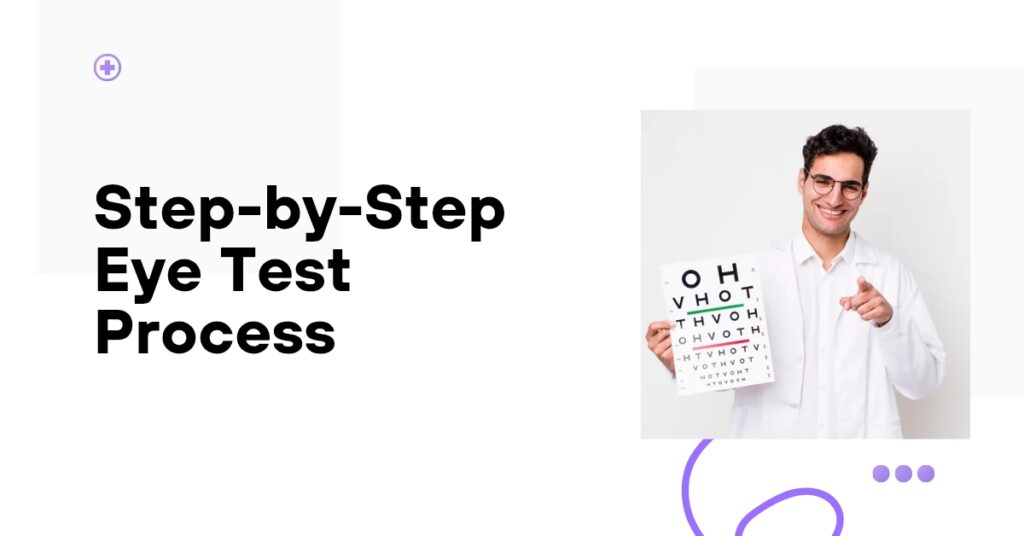
The next step in an eye test is checking how clearly you can see.
You will be asked to:
- Read letters from a chart
- Identify objects at different distances
This step helps determine how well your eyes are currently performing.
Refraction Test – The Core of an Eye Test
This is the most important part of an eye test.
During this step:
- Different lenses are placed in front of your eyes
- You are asked which option looks clearer
This helps find your exact prescription for glasses.
Near Vision Check in an Eye Test
An eye test also includes checking your near vision, especially for reading.
You may be asked to:
- Read small text
- Focus on close objects
This is important for people who experience difficulty while reading or using mobile phones.
Eye Coordination and Focus Testing
In a complete eye test, your eye coordination is also checked.
This ensures:
- Both eyes are working together properly
- Your focus is stable
Poor coordination can lead to discomfort and strain.
Final Prescription After the Eye Test
At the end of the eye test, your results are explained clearly.
You will receive:
- Your lens power (prescription)
- Recommendations for glasses or lenses
A proper eye test ensures that your prescription is accurate and comfortable.
How Long Does an Eye Test Take?
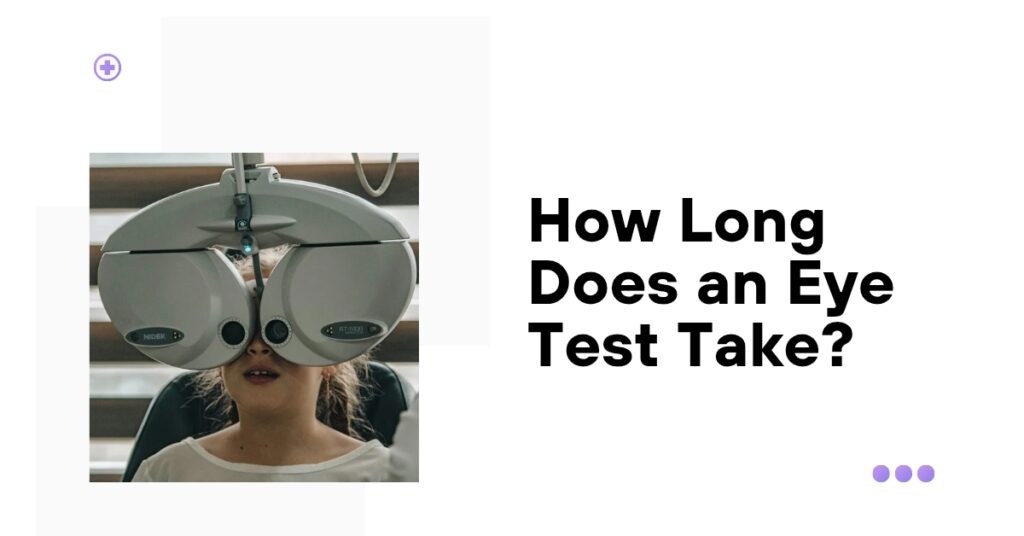
A typical eye test usually takes around 15 to 20 minutes.
The duration may vary depending on:
- Your vision condition
- Whether it’s your first eye test
- Additional checks required
Despite being quick, an eye test provides valuable insights into your vision.
Is an Eye Test Painful or Uncomfortable?
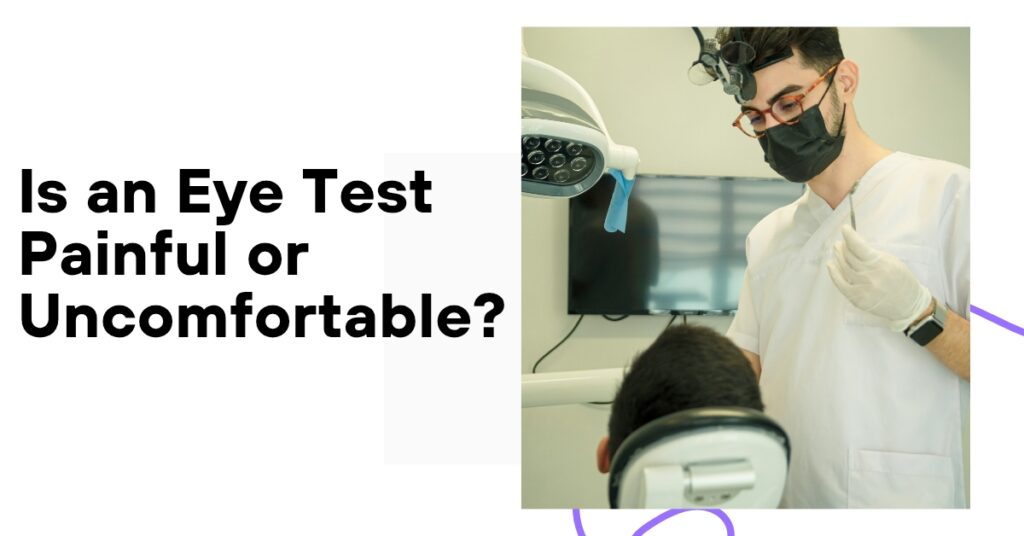
One of the biggest myths about an eye test is that it is uncomfortable.
In reality:
- It is completely painless
- No injections or invasive procedures are involved
- It is safe for all age groups
An eye test is designed to be simple and stress-free.
Who Should Get an Eye Test?
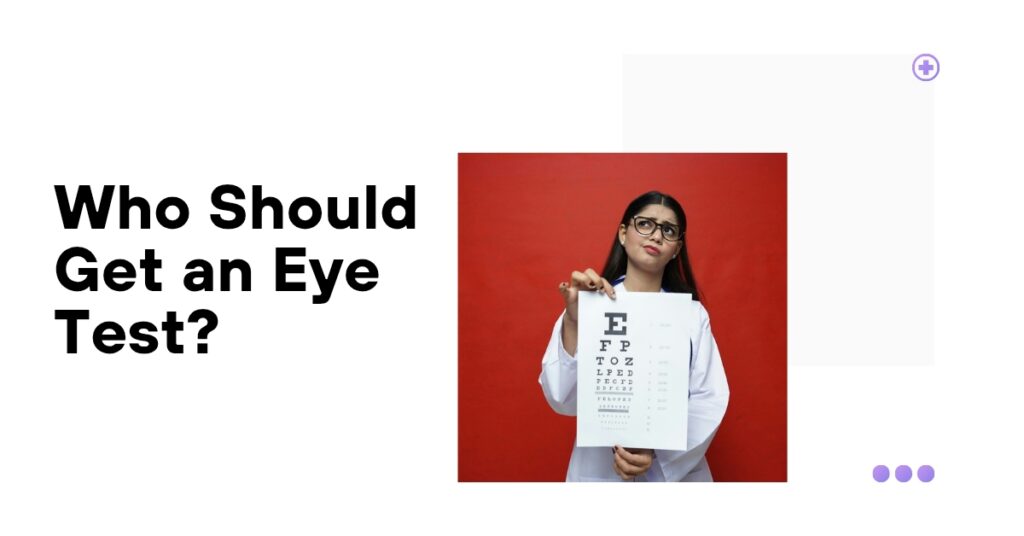
Everyone should consider a regular eye test, regardless of age.
You should definitely get an eye test if:
- You experience blurred vision
- You have frequent headaches
- You use screens for long hours
- Your glasses are not working properly
Even if you feel fine, a routine eye test helps detect hidden issues.
Benefits of Getting an Eye Test Regularly
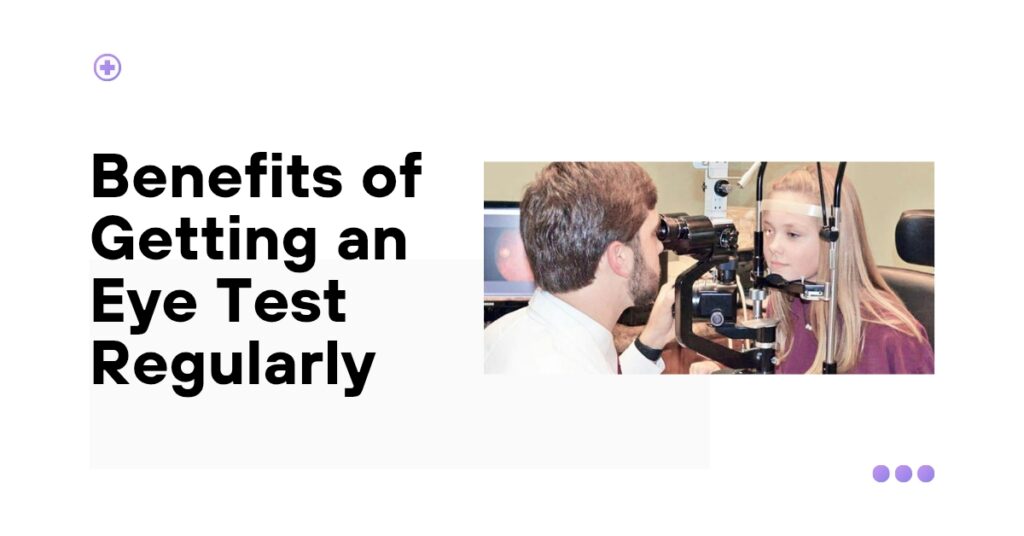
A regular eye test offers multiple benefits:
- Clear and comfortable vision
- Reduced eye strain
- Better performance in daily tasks
- Early detection of vision changes
Skipping an eye test can lead to gradual vision problems.
Common Mistakes People Make About Eye Tests
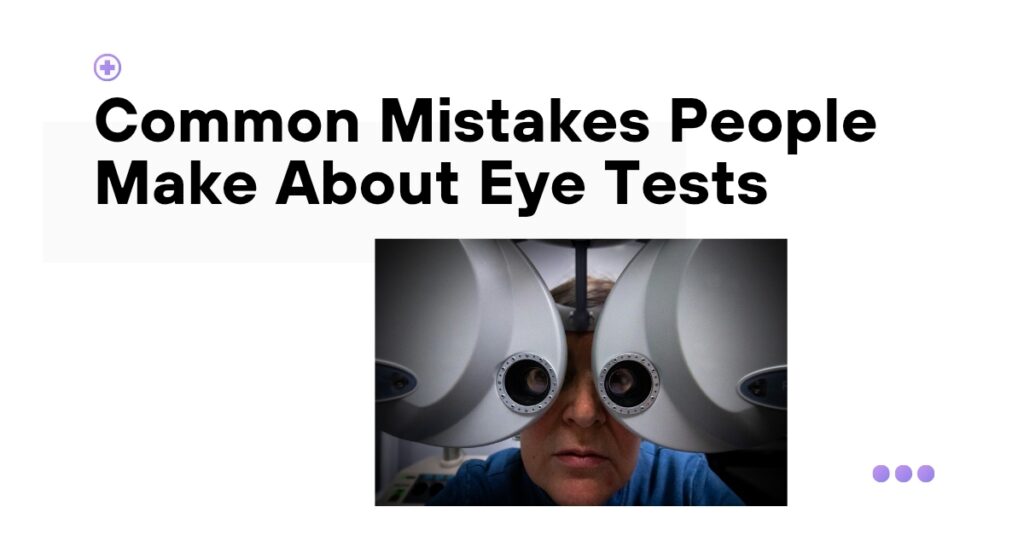
Many people delay an eye test due to misconceptions.
Common mistakes include:
- Waiting for serious symptoms
- Ignoring mild discomfort
- Using old or incorrect glasses
Avoiding these mistakes ensures better eye health.
When Should You Get Your Next Eye Test?
You should not wait too long before your next eye test.
General recommendation:
- Every 1–2 years for adults
- Once a year for children
- Earlier if symptoms appear
Regular eye test habits help maintain long-term vision clarity.
What to Do After an Eye Test
After completing your eye test, the next step is important.
You should:
This ensures you get the full benefit of your eye test.
Conclusion
An eye test is a simple yet essential process that plays a major role in maintaining clear vision and overall eye comfort. Understanding what happens during an eye test removes confusion and helps you take timely action.
Instead of delaying, make an eye test a regular habit. It not only improves your vision but also enhances your daily quality of life.
If you have been experiencing any discomfort or have not had an eye test recently, now is the right time to take that step.