
Introduction
An eye test does more than just tell you whether you need glasses—it gives you a detailed prescription that defines how clearly you see the world. However, many people receive their prescription after an eye test and still don’t understand what those numbers actually mean.
This confusion often leads to wrong choices, discomfort, or even avoiding glasses altogether. Understanding your eye test results can help you make better decisions and ensure clear, comfortable vision in your daily life.
Why Understanding Your Eye Test Prescription Is Important
After an eye test, your prescription includes specific values that determine the type and strength of lenses you need. Ignoring or misunderstanding these numbers can lead to improper vision correction.
When you understand your eye test prescription, you:
- Choose the right lenses confidently
- Avoid unnecessary strain and discomfort
- Know when your vision is changing
- Make better long-term eye care decisions
What Does an Eye Test Prescription Include?
An eye test prescription usually contains several terms and numbers that may seem complex at first.
The most common components include:
- SPH (Sphere)
- CYL (Cylinder)
- Axis
- ADD (for near vision)
Each of these plays a role in correcting your vision accurately.
SPH (Sphere) in an Eye Test
SPH is one of the most important values in your eye test prescription.
It indicates:
- Whether you are nearsighted (minus power)
- Or farsighted (plus power)
Example:
- -2.00 means difficulty seeing far objects
- +1.50 means difficulty seeing near objects
This value determines the basic strength of your lenses.
CYL (Cylinder) in an Eye Test
CYL is included in your eye test if you have astigmatism.
Astigmatism means:
- Your eye shape is slightly irregular
- Vision may appear distorted or blurred
The CYL value corrects this uneven focus and improves clarity.
Axis in an Eye Test
The Axis works along with CYL in your eye test prescription.
It is measured in degrees (0 to 180) and indicates:
- The direction of astigmatism correction
Without the correct axis, even the right power lenses may not provide clear vision.
ADD Power in an Eye Test
ADD is used in an eye test for people who need help with near vision, usually in bifocal or progressive lenses.
It helps:
- Improve reading vision
- Reduce strain while focusing on close objects
This value is common in people over 40.
Why Both Eyes Have Different Values in an Eye Test
After an eye test, you may notice different values for each eye.
This is completely normal because:
- Both eyes do not always have the same vision
- One eye may need more correction than the other
Proper eye test results ensure balanced and comfortable vision.
How an Eye Test Determines Your Exact Prescription
During an eye test, different lenses are placed in front of your eyes to find the clearest vision.
You are asked:
- Which lens looks clearer
- Whether vision improves or worsens
This process ensures that your eye test results are accurate and suited to your needs.
Common Mistakes People Make After an Eye Test
Even after a proper eye test, people often make mistakes that affect their vision.
Common mistakes include:
- Ignoring slight discomfort
- Using old prescriptions
- Choosing lenses without proper guidance
These can reduce the effectiveness of your eye test.
How to Use Your Eye Test Prescription Correctly
Once you have your eye test results, it’s important to use them properly.
You should:
- Get lenses made according to your prescription
- Wear your glasses regularly
- Follow professional advice
This ensures that your eye test leads to real improvement in vision.
When Should You Get a New Eye Test
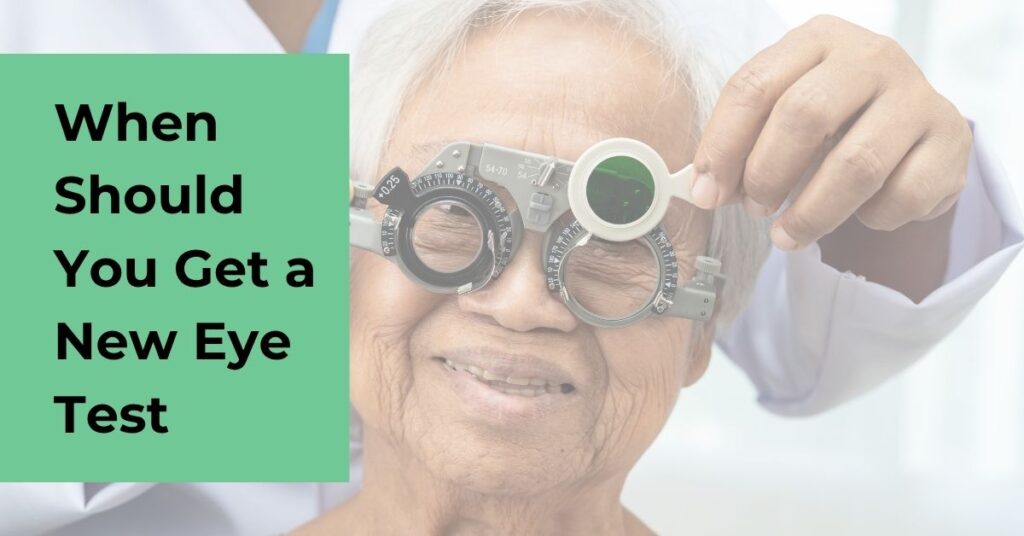
Your prescription can change over time, so a regular eye test is important.
You should consider a new eye test if:
- Vision becomes slightly blurred
- Headaches increase
- Glasses feel uncomfortable
Regular eye test checkups keep your vision updated and comfortable.
How Understanding Your Eye Test Helps You Choose Better Glasses
When you understand your eye test, you can make better choices while selecting lenses and frames.
It helps you:
- Choose the right lens type
- Avoid overpaying for unnecessary features
- Ensure long-term comfort
An informed decision leads to better vision and satisfaction.
Conclusion
An eye test is not just about getting a prescription—it’s about understanding your vision. Knowing what each value means helps you make confident decisions and avoid unnecessary confusion.
Instead of ignoring your prescription details, take a few minutes to understand them. A clear understanding ensures that your eye test results translate into clear and comfortable vision every day.