
Introduction
If you’ve been noticing blurred vision, frequent headaches, or difficulty focusing on objects, you might be wondering: why is my eyesight getting weak? This is one of the most common concerns people have today, especially with increasing screen time and changing lifestyles.
Weak eyesight doesn’t happen overnight. It usually develops gradually due to a combination of factors such as lifestyle habits, eye strain, and refractive errors. Understanding the root cause is the first step toward protecting your vision and taking the right corrective measures.
What Does “Weak Eyesight” Mean?

Weak eyesight generally refers to a decline in visual clarity. You may experience:
- Blurred vision (near or distance)
- Difficulty reading small text
- Eye strain after screen use
- Frequent headaches
- Trouble seeing clearly at night
In most cases, weak eyesight is caused by refractive errors, which means your eyes are unable to properly focus light on the retina.
Common Causes of Weak Eyesight
1. Refractive Errors (Most Common Cause)
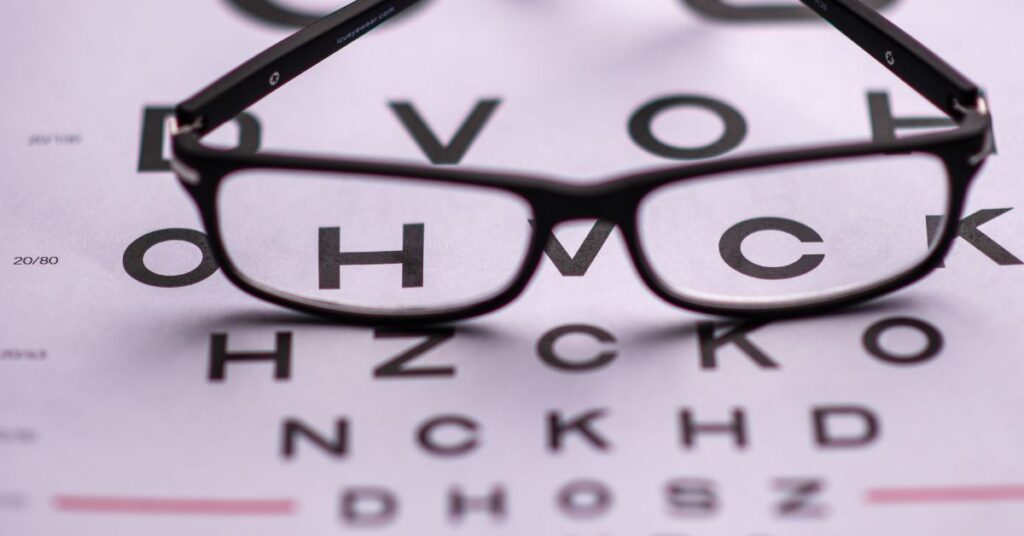
Refractive errors are the leading cause of weak eyesight. These include:
- Myopia (Nearsightedness): Difficulty seeing distant objects
- Hyperopia (Farsightedness): Difficulty seeing nearby objects
- Astigmatism: Blurred or distorted vision at all distances
These conditions occur when the shape of your eye prevents light from focusing correctly.
2. Excessive Screen Time
In today’s digital world, prolonged use of mobile phones, laptops, and tablets is a major reason for vision problems.
Common effects include:
- Digital eye strain
- Dry eyes
- Temporary blurred vision
Staring at screens for long hours reduces your blinking rate, which leads to eye fatigue and discomfort.
3. Poor Lighting Conditions
Reading or working in dim or overly bright lighting can strain your eyes over time.
- Low light makes your eyes work harder
- Harsh light creates glare and discomfort
While this may not permanently damage eyesight, it contributes to eye fatigue and temporary vision issues.
4. Lack of Regular Eye Testing
Many people ignore early signs of vision problems. Without proper eye testing:
- Small refractive errors go unnoticed
- Vision gradually worsens
- You adapt without realizing the decline
Regular eye tests help detect problems early and prevent further strain.
5. Age-Related Changes
As you grow older, your eyes naturally undergo changes.
- Difficulty reading small text (Presbyopia)
- Reduced focus flexibility
- Increased need for proper lenses
This is a natural process, but it can be managed effectively with the right eyewear.
6. Genetics (Family History)
If your parents wear glasses, there is a higher chance you may also develop vision problems.
Genetics plays a strong role in:
- Myopia
- Hyperopia
- Astigmatism
While you cannot control genetics, you can manage its effects with timely care.
7. Improper Use of Glasses
Wearing the wrong prescription or not wearing glasses when needed can worsen visual discomfort.
Common mistakes:
- Using outdated prescription
- Avoiding glasses despite need
- Using someone else’s glasses
This leads to continuous strain and poor visual clarity.
8. Eye Strain and Fatigue
Continuous focus without breaks causes eye muscles to become tired.
Symptoms include:
- Burning sensation
- Watering eyes
- Blurred vision
This is very common among students and working professionals.
Can Weak Eyesight Be Recovered?
This is a very common question.
In most cases:
- Refractive errors cannot be reversed naturally
- But they can be corrected effectively with proper glasses
The key is:
- Accurate eye testing
- Correct prescription
- Proper eyewear usage
Ignoring the issue can make it worse over time.
How to Prevent Eyesight from Getting Worse
✔ Get Regular Eye Tests
Early detection helps prevent long-term issues.
✔ Follow the 20-20-20 Rule
Every 20 minutes, look at something 20 feet away for 20 seconds.
✔ Use Proper Lighting
Avoid dim or harsh lighting while reading or working.
✔ Limit Screen Time
Take breaks and reduce unnecessary usage.
✔ Wear Correct Glasses
Always use the right prescription lenses.
When Should You Visit an Optician?
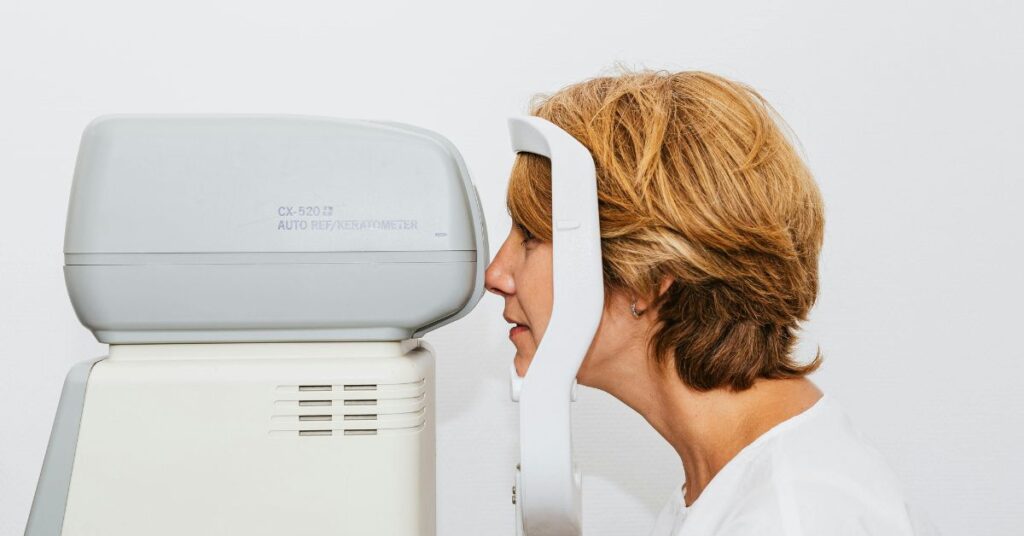
You should get your eyes tested if you notice:
- Blurred vision
- Frequent headaches
- Difficulty focusing
- Eye strain after screen use
Ignoring these signs can lead to increased discomfort and reduced productivity.
Conclusion

Weak eyesight is usually caused by a combination of refractive errors, lifestyle habits, and lack of proper eye care. The good news is that with accurate eye testing and the right guidance, you can easily manage and correct your vision.
Clear vision is essential for your daily life, whether it’s reading, working, or driving. Taking timely action ensures long-term comfort and confidence.
If you’re experiencing any signs of weak eyesight, it’s always best to get your eyes tested and understand your exact visual needs.
Nice information