Introduction
An eye test is not just about finding out whether you need glasses. It can help identify different vision problems that affect how clearly and comfortably you see every day.
Many people live with blurred vision, headaches, squinting or difficulty focusing without knowing what is actually causing the problem. Some vision issues develop slowly, so you may gradually become accustomed to unclear vision without realizing that your eyesight has changed.
The good news is that many common refractive errors can be identified during a proper vision assessment and corrected with suitable prescription glasses or contact lenses.
Understanding the most common types of vision problems can help you recognize warning signs and know when it is time to have your eyesight checked.
━━━━━━━━━━━━━━━━━━━━━━━━━━━━
Why an Eye Test Is Important for Vision Problems
Vision problems are not always obvious. You may notice that distant objects look slightly blurry, while someone else may struggle to read small print.
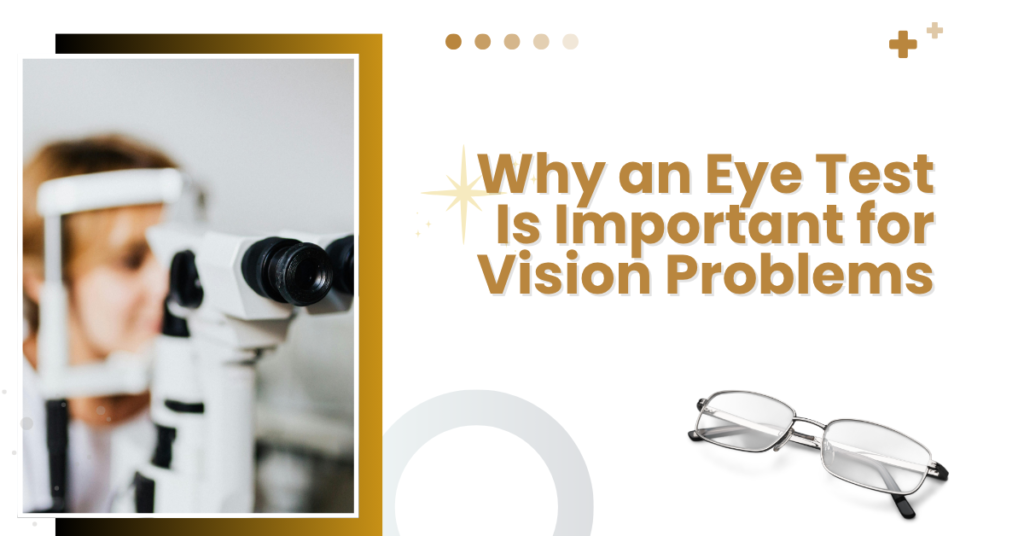
A professional eye test can help determine whether your symptoms are related to a refractive error and whether corrective lenses may improve your vision.
A proper assessment can help you:
- Understand what is affecting your vision
- Determine the appropriate prescription
- Improve clarity at different distances
- Reduce unnecessary visual strain
- Monitor changes in your eyesight
Rather than guessing your lens power or continuing to use an old prescription, getting your vision properly assessed is a much better approach.
━━━━━━━━━━━━━━━━━━━━━━━━━━━━
Common Types of Vision Problems
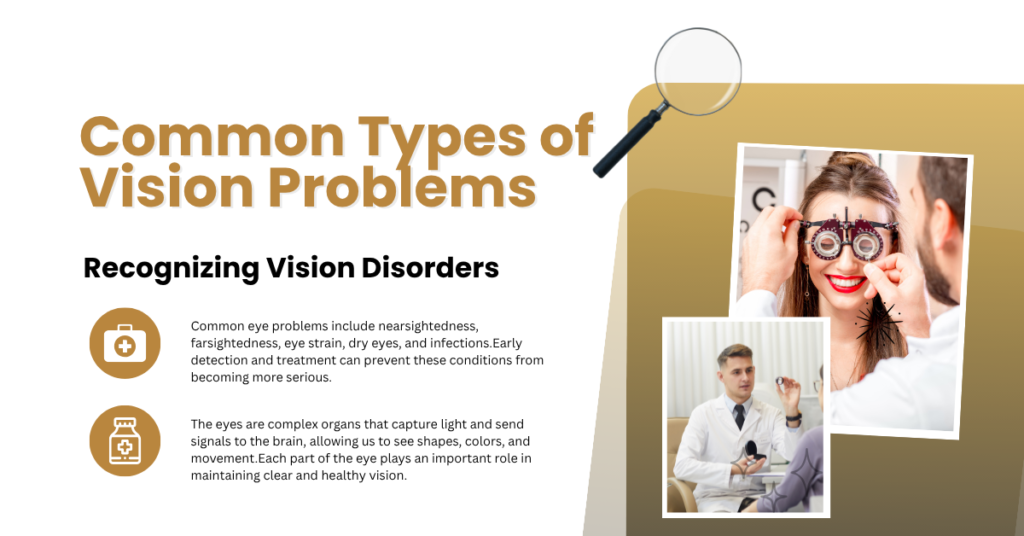
Several common refractive errors can affect the way light is focused inside the eye.
The three most commonly discussed problems are:
- Myopia
- Hyperopia
- Astigmatism
Another common age-related change is presbyopia, which affects the ability to focus on nearby objects.
Each condition is different, and a person’s prescription may include more than one of these problems.
━━━━━━━━━━━━━━━━━━━━━━━━━━━━
Myopia: Difficulty Seeing Distant Objects
Myopia, commonly called short-sightedness or nearsightedness, makes distant objects appear less clear while nearby objects can generally be seen more easily.
Someone with myopia may notice problems such as:
- Difficulty reading signs from a distance
- Blurry television screens
- Trouble seeing the board in a classroom
- Squinting to see distant objects
- Difficulty recognizing faces from far away
Children may not always tell their parents that they cannot see clearly. Instead, they may sit close to the television, move closer to books or complain about difficulty seeing the classroom board.
A vision assessment can determine whether myopia is present and help establish the appropriate prescription.
━━━━━━━━━━━━━━━━━━━━━━━━━━━━
Hyperopia: Difficulty With Near Vision
Hyperopia, or farsightedness, occurs when the eye has difficulty focusing clearly on nearby objects.
Depending on its severity and the individual’s age, a person may experience:
- Difficulty reading
- Eye fatigue during close work
- Headaches after studying
- Difficulty maintaining comfortable focus
- Blurred near vision
Some people with mild hyperopia may not immediately notice a problem because the eyes can compensate to some extent, particularly when they are young.
However, prolonged close work may become uncomfortable.
An appropriate eye test can help identify whether focusing difficulty is associated with hyperopia or another vision issue.
━━━━━━━━━━━━━━━━━━━━━━━━━━━━
Astigmatism: Blurred or Distorted Vision
Astigmatism is another common refractive error.
It occurs when the cornea or lens has an irregular curvature, causing light to focus unevenly. The result can be blurred or distorted vision.
A person with astigmatism may experience:
- Blurred vision at distance or near
- Difficulty seeing fine details
- Headaches
- Eye strain
- Squinting
- Difficulty seeing clearly at night
Astigmatism can occur together with myopia or hyperopia. This means a prescription may contain both spherical and cylindrical components.
A detailed vision check can help identify this combination and determine the appropriate correction.
━━━━━━━━━━━━━━━━━━━━━━━━━━━━
Presbyopia: Why Reading Becomes Difficult With Age
Presbyopia is different from myopia, hyperopia and astigmatism because it is primarily associated with the natural aging process.
As we get older, the eye’s natural lens gradually becomes less flexible. This makes it harder to focus on nearby objects.
Common signs include:
- Holding books or phones farther away
- Difficulty reading small print
- Needing brighter light for reading
- Eye fatigue during close work
- Headaches after prolonged reading
Presbyopia commonly becomes noticeable around middle age, although the exact age varies from person to person.
Depending on the individual’s prescription and visual requirements, options may include reading glasses, bifocals or progressive lenses.
━━━━━━━━━━━━━━━━━━━━━━━━━━━━
Can You Have More Than One Vision Problem?
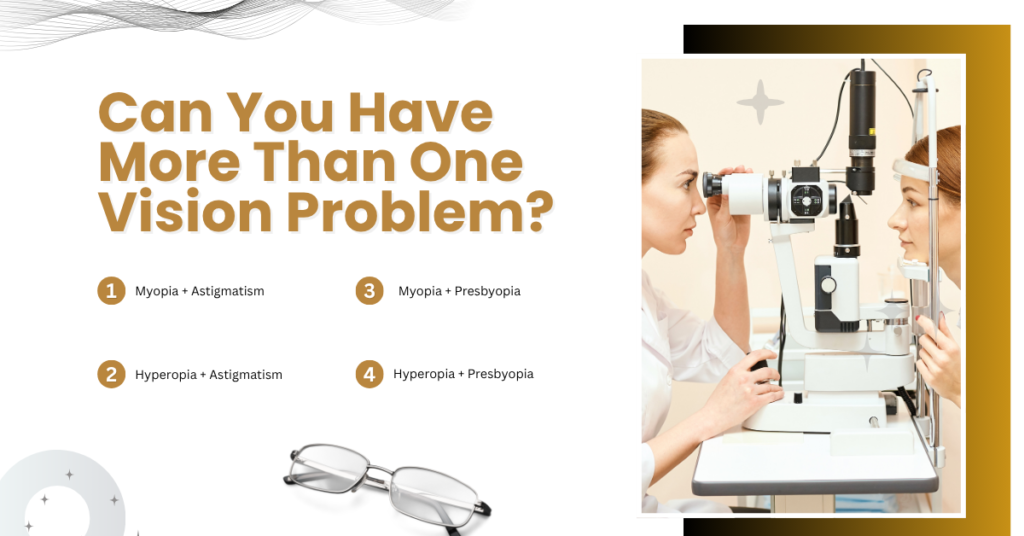
Yes. It is completely possible to have more than one refractive error.
For example, someone may have:
Myopia + Astigmatism
or
Hyperopia + Astigmatism
Later in life, a person may also develop presbyopia in addition to an existing distance prescription.
This is why simply guessing your power based on an old pair of glasses is not a good idea. Your visual requirements can change over time.
A comprehensive eye test helps assess each eye separately and determine the correction required.
━━━━━━━━━━━━━━━━━━━━━━━━━━━━
Signs That You May Need an Eye Test
Sometimes the easiest way to recognize a vision problem is to pay attention to changes in everyday activities.
Consider getting your eyesight checked if you experience:
- Frequent headaches
- Blurred vision
- Difficulty reading
- Difficulty seeing distant objects
- Frequent squinting
- Eye strain
- Difficulty focusing
- Trouble seeing clearly at night
- Holding books or phones unusually close or far away
- Difficulty seeing classroom boards or road signs
These symptoms can have different causes, so they should not automatically be assumed to mean that your spectacle power has increased.
━━━━━━━━━━━━━━━━━━━━━━━━━━━━
Why Children May Not Realize They Have a Vision Problem
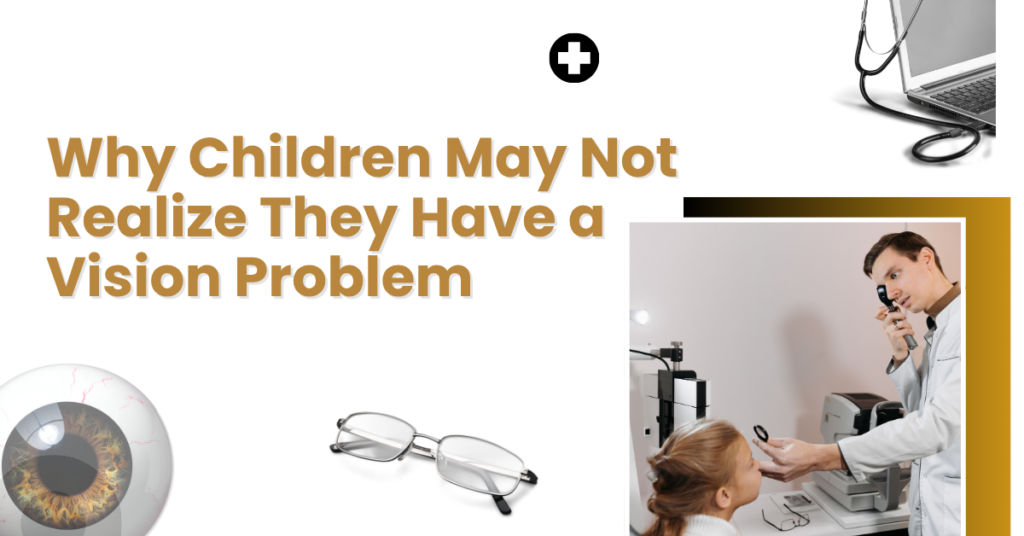
Children often adapt to poor vision without understanding that anything is wrong.
For example, a child who cannot see the classroom board may assume that everyone sees it the same way.
Parents and teachers should pay attention to behaviours such as:
- Sitting very close to the television
- Moving close to books
- Squinting frequently
- Avoiding reading
- Complaining about headaches
- Difficulty concentrating on classroom work
If these behaviours appear regularly, a professional vision assessment can be helpful.
Early identification can make everyday activities such as studying, reading and participating in school much more comfortable.
━━━━━━━━━━━━━━━━━━━━━━━━━━━━
How Vision Problems Can Affect Daily Life
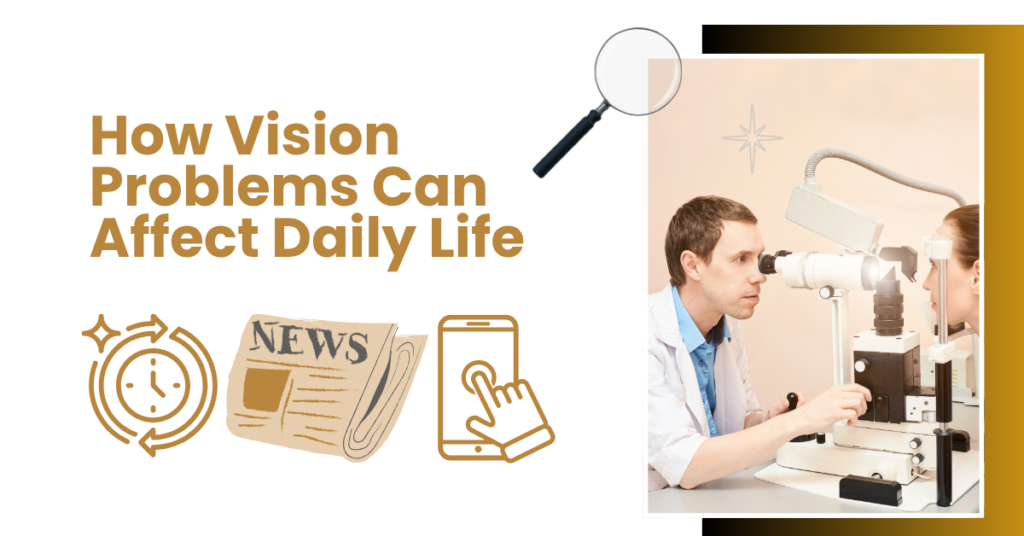
Uncorrected vision problems can affect much more than your ability to read an eye chart.
Clear vision is important when you are:
- Driving
- Reading
- Working on a computer
- Using a smartphone
- Studying
- Watching television
- Recognizing people from a distance
- Performing detailed work
Even a relatively small change in prescription can sometimes become noticeable during tasks requiring prolonged visual concentration.
This is particularly relevant for people who spend many hours working on computers or using digital devices.
━━━━━━━━━━━━━━━━━━━━━━━━━━━━
Why Headaches Do Not Always Mean You Need a Stronger Prescription
Headaches are sometimes associated with uncorrected refractive errors, but they do not automatically mean that your spectacle power needs to be increased.
Headaches can have many causes, including:
- Lack of sleep
- Dehydration
- Stress
- Long screen sessions
- Poor posture
- Visual strain
- Other health-related causes
If headaches repeatedly occur during reading, computer work or other visually demanding activities, discussing the symptoms during an eye test can help determine whether your vision may be contributing.
━━━━━━━━━━━━━━━━━━━━━━━━━━━━
Can Your Vision Change After Getting Glasses?
Yes. Your prescription can change over time.
Changes may occur due to age, normal development, lifestyle and other factors. Children and young adults may experience changes in refractive power as their eyes develop.
Adults can also experience changes, particularly as they become older and develop presbyopia.
This is why an old prescription should not automatically be considered appropriate forever.
If your glasses no longer provide comfortable vision, it may be time for another assessment.
━━━━━━━━━━━━━━━━━━━━━━━━━━━━
Why You Should Not Copy Someone Else’s Glasses Power
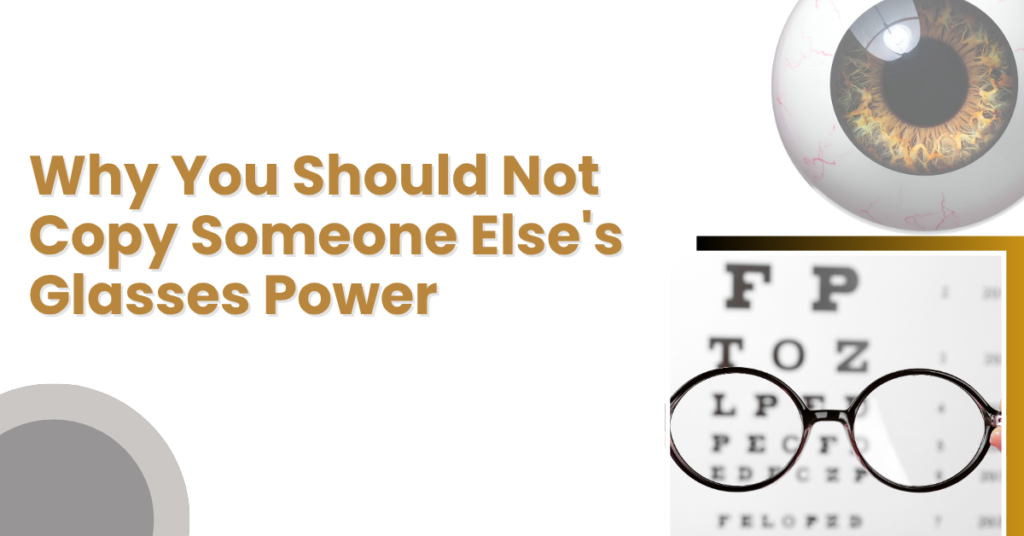
One common misconception is that people with similar eyesight can use the same prescription.
This is not recommended.
Even family members may have completely different prescriptions because each person’s eyes are different.
For example, one person may have:
-1.00 SPH
while another may have:
-1.00 SPH with additional CYL and Axis correction.
The numbers may look similar, but the prescriptions are not the same.
Your glasses should be made according to your own vision assessment rather than someone else’s prescription.
━━━━━━━━━━━━━━━━━━━━━━━━━━━━
What Happens After a Vision Problem Is Identified?
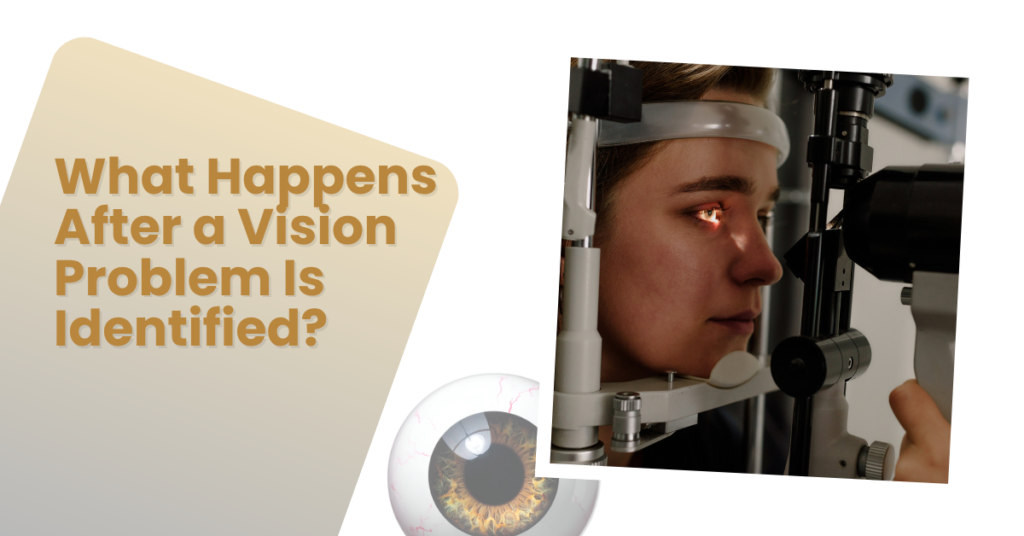
Once a refractive error has been identified, the next step is choosing an appropriate form of correction.
For many people, prescription spectacles are the simplest option.
Depending on the prescription and lifestyle, different lens options may be considered, including:
- Single vision lenses
- Bifocal lenses
- Progressive lenses
- Anti-glare lenses
- Blue-light filtering lenses
- High-index lenses
The best option depends on your prescription, age, working distance, lifestyle and personal preferences.
━━━━━━━━━━━━━━━━━━━━━━━━━━━━
When Should You Have Another Eye Test?
There is no single schedule that is perfect for everyone.
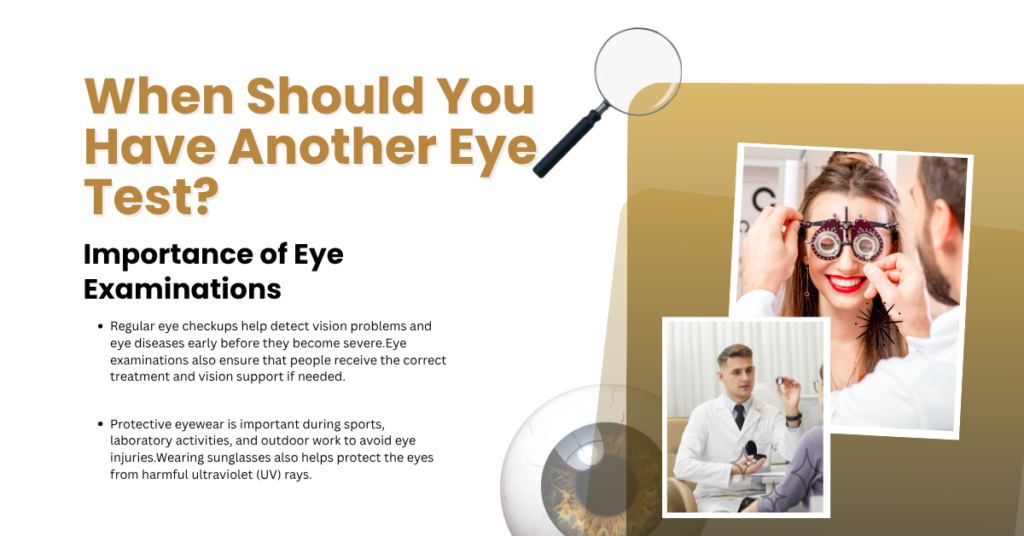
Your required frequency can depend on:
- Age
- Existing prescription
- Symptoms
- Screen use
- Family history
- General eye health
- Recommendations from your eye-care professional
If your vision has changed or your current glasses no longer feel comfortable, don’t wait for your next routine appointment.
A new assessment may be appropriate.
━━━━━━━━━━━━━━━━━━━━━━━━━━━━
Vision Problems Should Not Be Ignored
Small changes in vision are easy to dismiss.
You might think:
“My eyes are just tired.”
Or:
“My glasses are old, but they still work.”
Sometimes that may be true. But persistent changes deserve attention rather than guesswork.
A proper eye test can help determine whether the problem is related to your spectacle prescription or whether further evaluation is needed.
Also remember that a routine refraction or vision assessment is not the same thing as a comprehensive medical eye examination. If you experience sudden vision loss, severe eye pain, flashes, a sudden increase in floaters, or other sudden visual changes, seek prompt medical attention.
━━━━━━━━━━━━━━━━━━━━━━━━━━━━
How to Protect Your Vision Every Day
Although refractive errors cannot simply be prevented through good habits, you can develop healthier visual habits.
Try to:
- Take regular breaks during prolonged screen use
- Maintain a comfortable working distance
- Use adequate lighting
- Keep your spectacles clean
- Avoid using damaged lenses
- Follow your prescribed correction
- Have your vision checked when symptoms appear
These habits can make everyday visual tasks more comfortable.
━━━━━━━━━━━━━━━━━━━━━━━━━━━━
Conclusion
Vision problems such as myopia, hyperopia, astigmatism and presbyopia are common, but that does not mean they should be ignored.
An eye test can help identify changes in your vision and determine whether corrective lenses may be appropriate. Understanding the symptoms can also help you recognize when it is time to get your eyesight checked.
If you have noticed blurred vision, frequent headaches, difficulty focusing or changes in your ability to see clearly, consider getting your vision assessed rather than continuing with an outdated prescription.
Clear vision can make everyday activities easier, more comfortable and more enjoyable.
Drishti Opticals, Unnao provides prescription glasses, single vision lenses, bifocal and progressive lenses, and other vision solutions based on individual requirements.
Experiencing blurred vision, headaches or difficulty focusing? Visit Drishti Opticals, Unnao for a vision assessment and explore prescription glasses and lens options suited to your needs.
📍 Address: Near Bank of India (Pratap Market), Gadan Khera, Unnao, UP 209801
🗺️ Google Maps: View Location & Get Directions
📞 Call / WhatsApp: 8090750465
🌐 Website: https://drishtiopticals.in
Visit Drishti Opticals today to take the next step towards clearer vision.
Good information for eye care.