
Introduction
Signs you need an eye test are often ignored until vision problems begin to affect your daily life. From blurred vision to frequent headaches, your eyes give early warning signals when something isn’t right.
With increasing screen time and busy lifestyles, these issues are becoming more common. Recognizing these signs early can help you avoid discomfort and maintain clear, comfortable vision.
Why Early Detection Matters
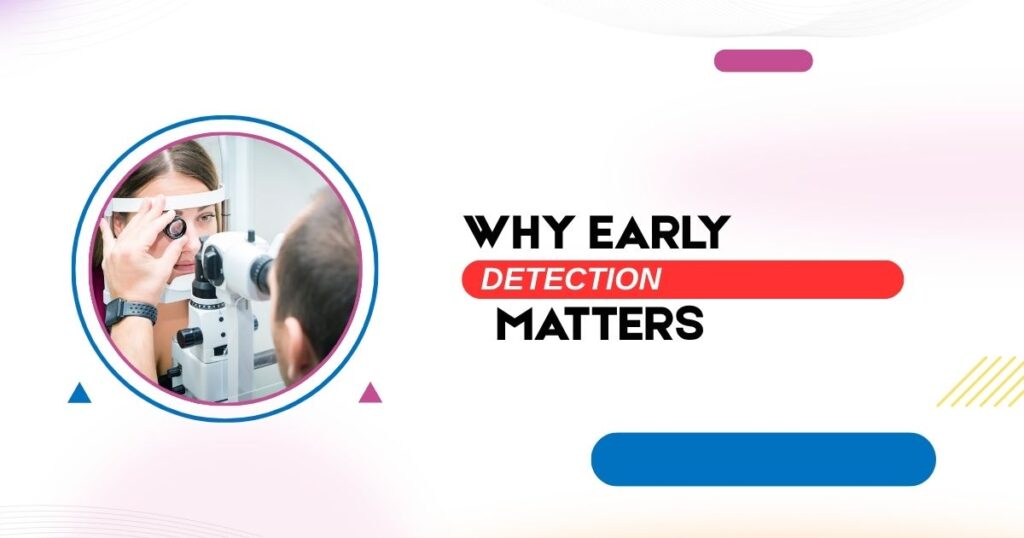
Most vision problems develop gradually, which makes them easy to ignore. Many people adjust to poor vision without realizing that their eyesight is getting worse.
Getting your eyes tested on time helps you:
- Get the correct prescription
- Reduce strain and headaches
- Improve focus and productivity
- Prevent further vision issues
Common Signs You Should Not Ignore
Blurred Vision
If objects appear unclear—whether near or far—it usually indicates a refractive error.
This may be due to:
- Myopia (difficulty seeing far)
- Hyperopia (difficulty seeing near)
- Astigmatism (distorted vision)
Even slight blur is worth checking.
Frequent Headaches
Headaches, especially around the forehead or temples, can be linked to eye strain.
They often:
- Occur after screen use or reading
- Reduce after resting your eyes
This is a strong signal that your eyes are working harder than they should.
Eye Strain and Fatigue
Long hours on screens or continuous reading can lead to tired, uncomfortable eyes.
Common symptoms include:
- Burning sensation
- Dryness
- Difficulty focusing
Difficulty Reading
If reading small text feels harder than before, your vision may need correction.
You might:
- Hold your phone farther away
- Increase brightness
- Struggle with fine print
Squinting Frequently
Squinting helps temporarily improve focus, but it’s not a solution.
If you often squint while:
- Watching TV
- Reading signs
- Using your phone
…it’s time for an eye check.
Trouble Seeing at Night
Difficulty in low light or glare from headlights can affect your comfort and safety.
This is especially noticeable while:
- Driving at night
- Walking in dim areas
Double Vision
Seeing double images is not normal and should never be ignored.
It may indicate issues related to:
- Eye coordination
- Focus problems
Screen-Related Eye Discomfort
With increased device usage, many people experience digital eye strain.
Symptoms include:
- Blurred vision after screen use
- Heavy eyes
- Difficulty refocusing
Watery or Dry Eyes
Constant watering or dryness may seem minor, but it often indicates eye fatigue or strain.
Glasses Not Working Properly
If your current glasses don’t feel effective anymore, your prescription may have changed.
Signs include:
- Blurred vision even with glasses
- Headaches while wearing them
Signs to Watch in Children
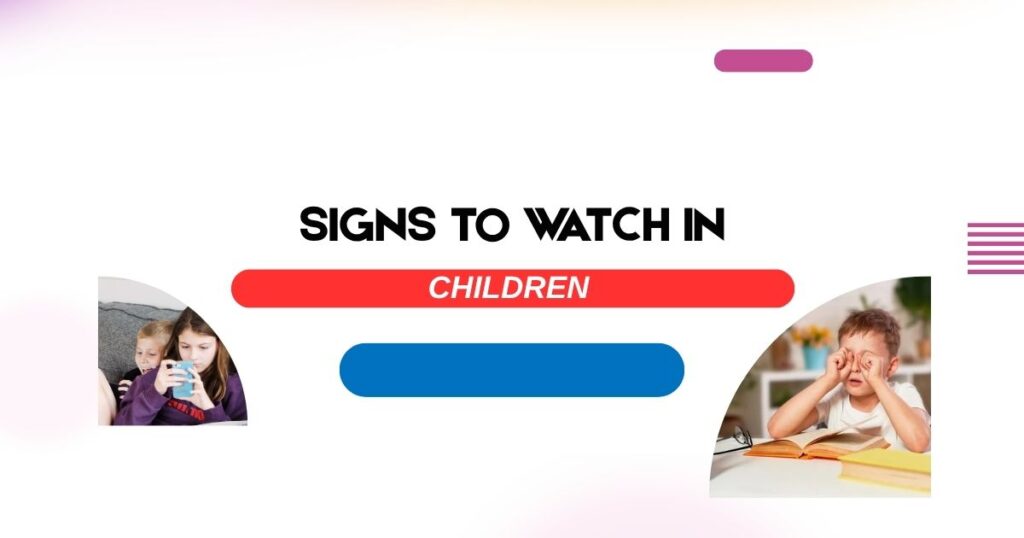
Children may not clearly communicate vision problems, so observation is important.
Look for:
- Sitting too close to screens
- Rubbing eyes frequently
- Lack of focus in studies
- Squinting while reading
If You Use Screens Regularly
People who spend long hours on mobile or laptops are more prone to vision issues.
Regular eye testing can help reduce:
- Eye strain
- Headaches
- Dryness
When to Get Your Eyes Tested
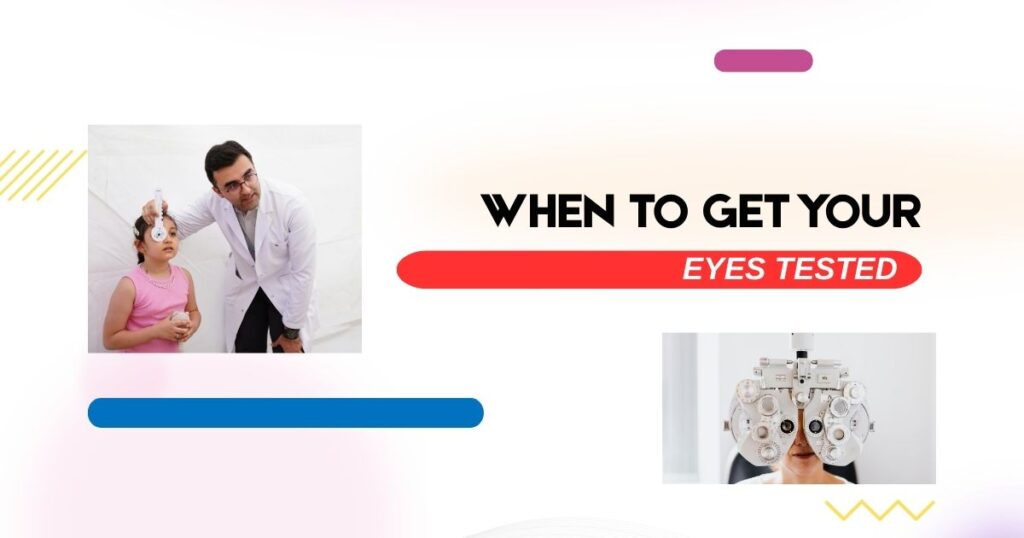
You should not wait too long if symptoms appear.
General guideline:
- Adults: Every 1–2 years
- Children: Once a year
- Heavy screen users: As needed
What You Should Do Next
If you notice any of these symptoms:
- Get your eyes tested
- Follow the correct prescription
- Use proper eyewear consistently
Small steps can make a big difference in your daily comfort.
Conclusion
Your eyes constantly give signals when something is not right. Paying attention to these early signs can help you avoid bigger problems later.
Clear vision is essential for everything you do—reading, working, and daily activities. Taking timely action ensures long-term comfort and better quality of life.
Good information 👍